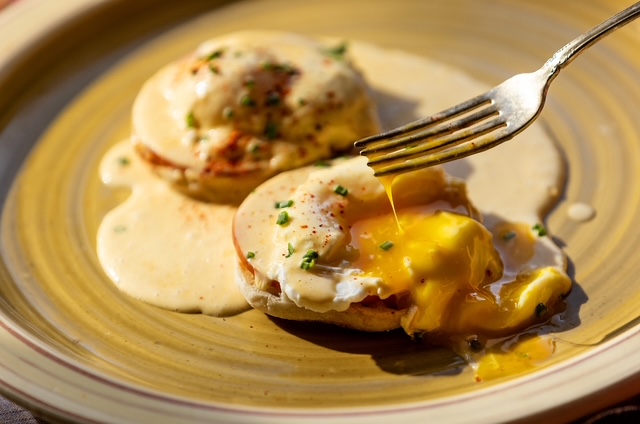
Eggs have been called nature’s most perfect food. One egg has thirteen essential vitamins and minerals, high-quality protein, unsaturated fats, and antioxidants, all for about seventy-five calories. Egg nutrients can help you with weight control, muscle strength, eye health, brain function, and a healthy pregnancy. Eggs’ nutritional value should not be surprising when you remember that an egg contains everything needed for the nourishment of a developing chick.
Particularly important for aiding healthy brain function and pregnancy is choline, for which eggs are a good source. It’s estimated that more than 90 percent of Americans are choline deficient. A study of choline intake by Iowa State University researchers found that for older children, men, women, and pregnant women, intake is dramatically below adequate intake levels, with only 10 percent or less of all these groups getting even close to the recommended amount of choline.
In cooking, eggs are highly prized due to their food chemistry. They serve many unique functions in recipes, including coagulation, foaming, emulsification, and browning.
The history of the egg as food runs parallel with the history of people consuming chickens and other birds as food. Although it is uncertain when and where it began, the practice of raising chickens for food is ancient and so, subsequently, is the consumption of eggs, extending back to the times of early man.
Eggs have always been a symbol of fertility, and beliefs abound that reference their aphrodisiacal powers in many cultures. One of the most widely held food and holiday associations is that of the Easter egg. How the egg became associated with this holiday seems to have roots that are both biological and cultural. Before more modern techniques of poultry raising, hens laid few eggs during the winter. This meant that Easter, occurring with the advent of spring, coincided with the hens’ renewed cycle of laying numerous eggs. Additionally, because eggs were traditionally considered a food of luxury, they were forbidden during Lent, so Christians had to wait until Easter to eat them. Interestingly, the custom of painting eggshells has an extensive history and was a popular custom among many ancient civilizations, including the Egyptians, Chinese, Greeks, and Persians.

Read more – get recipes:
 Chef John Ash
Leave a comment